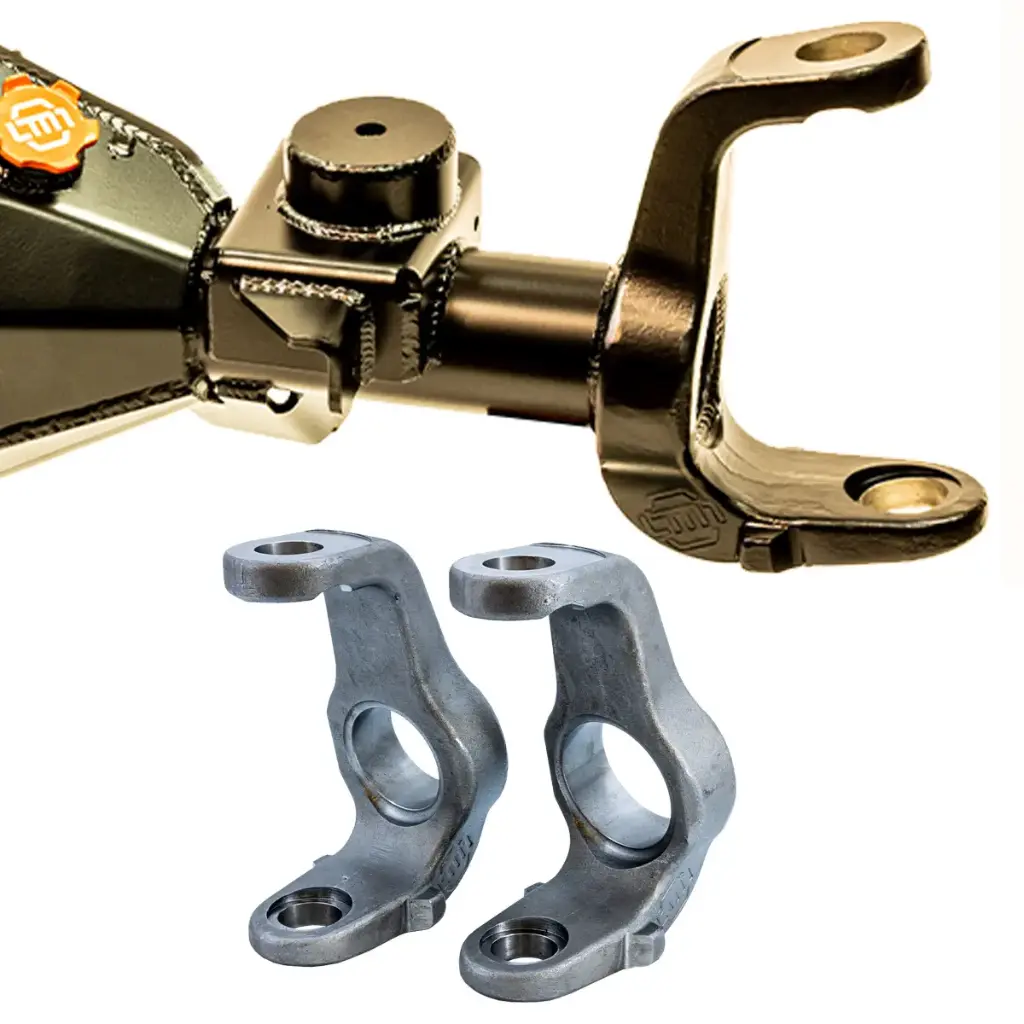
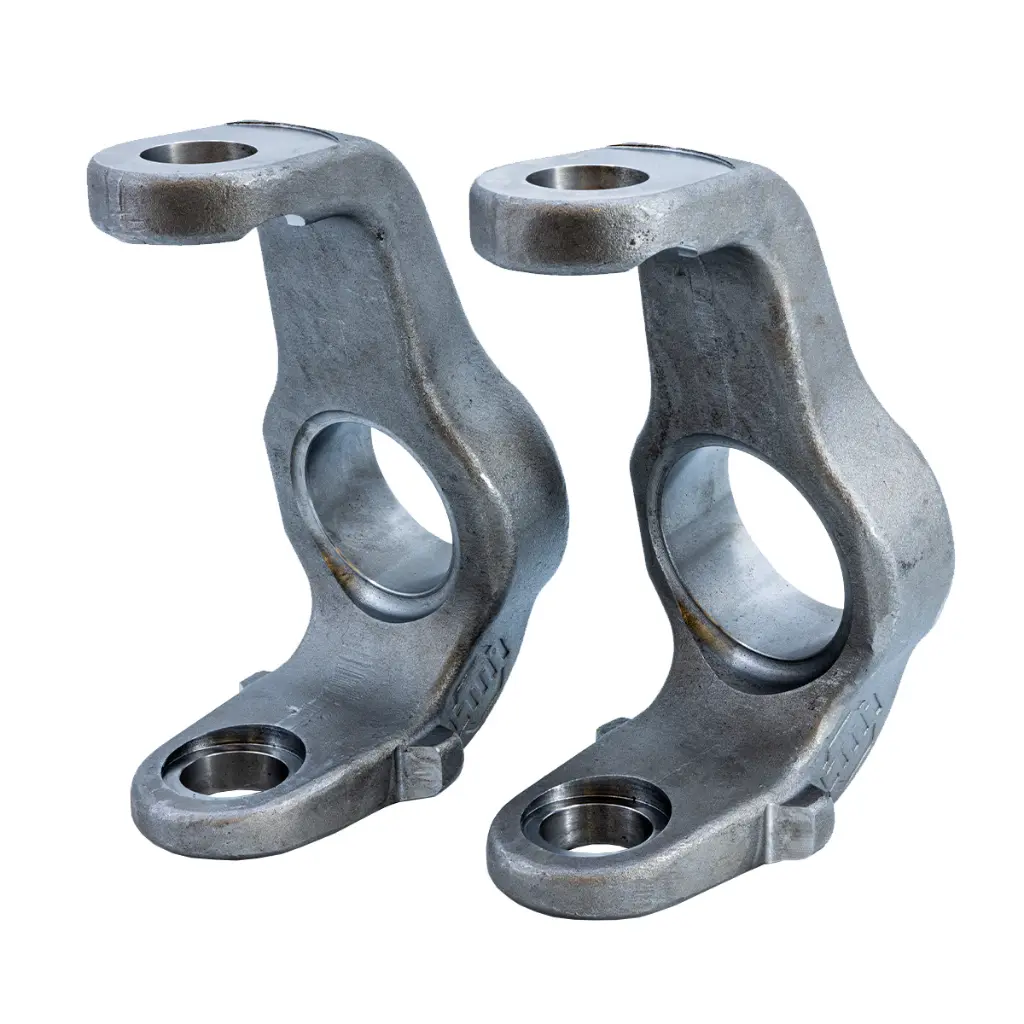
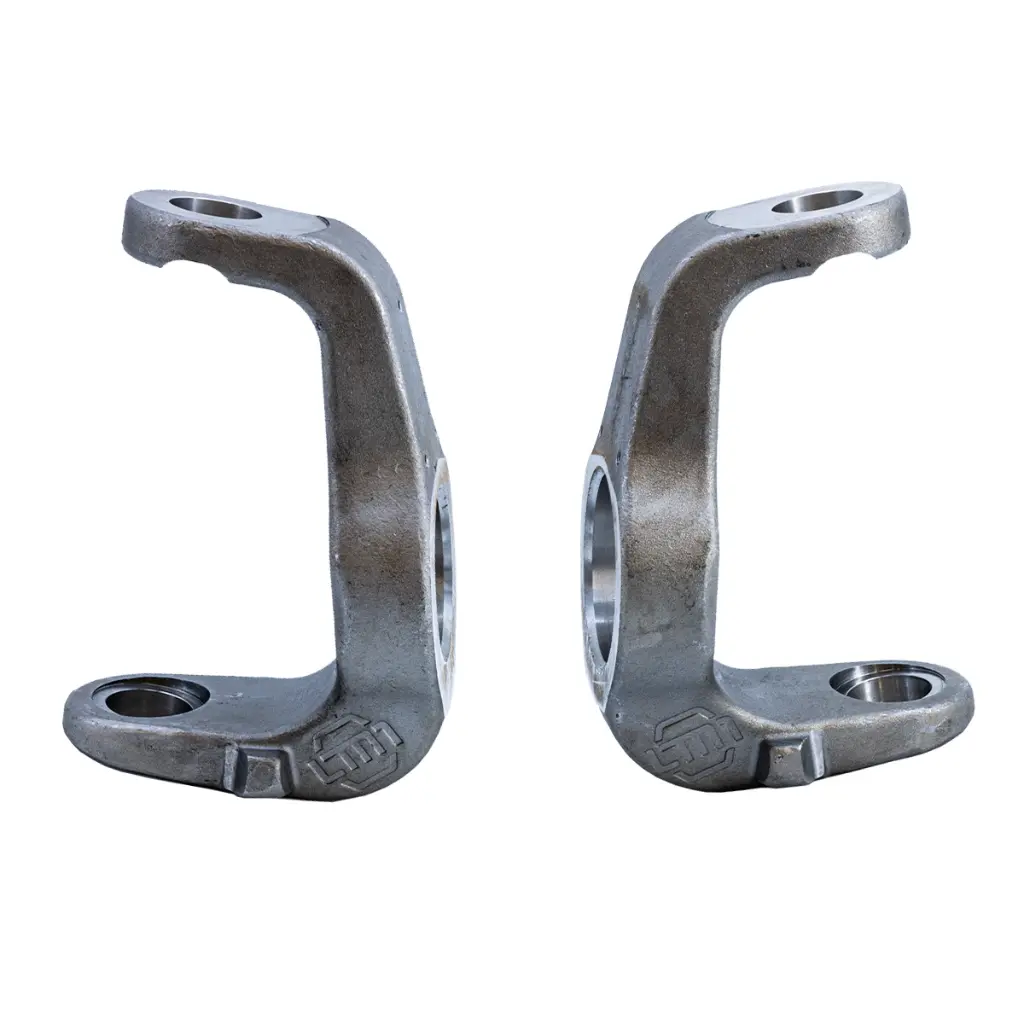
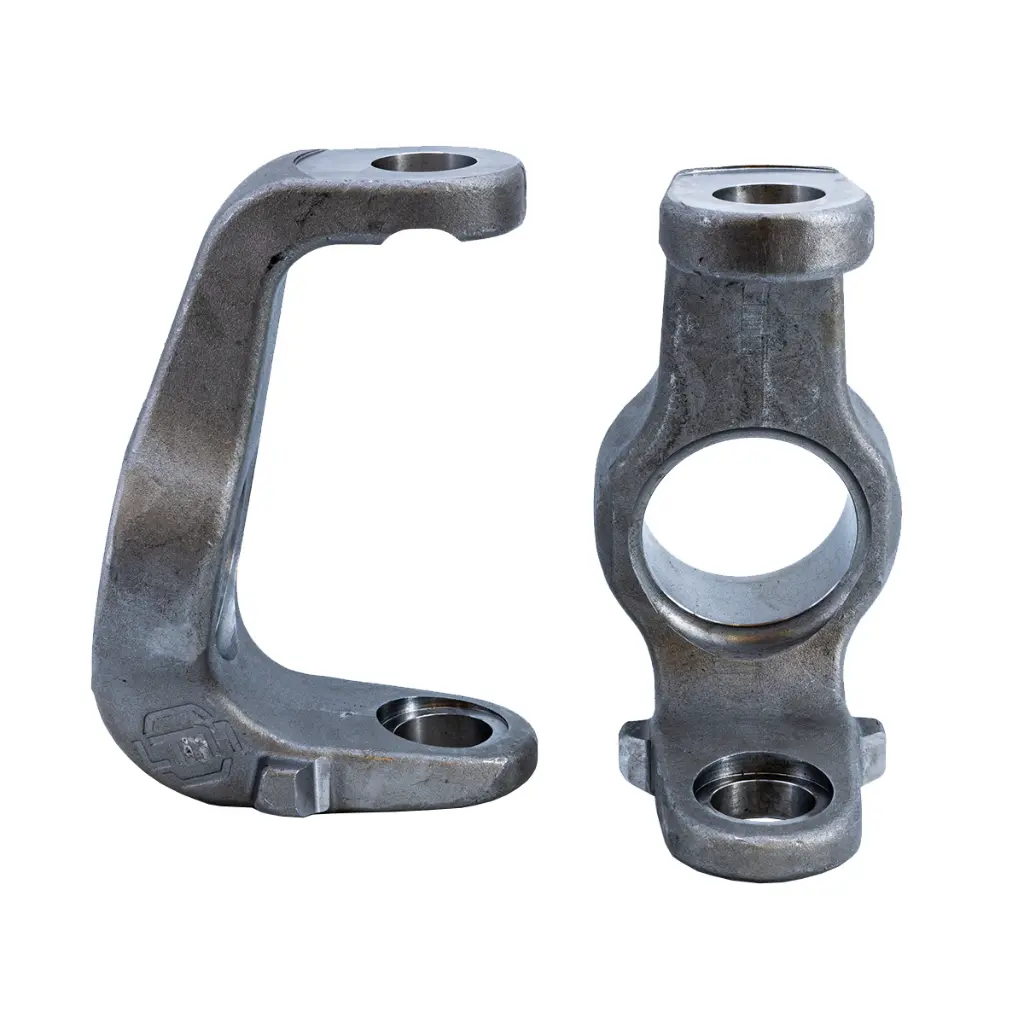
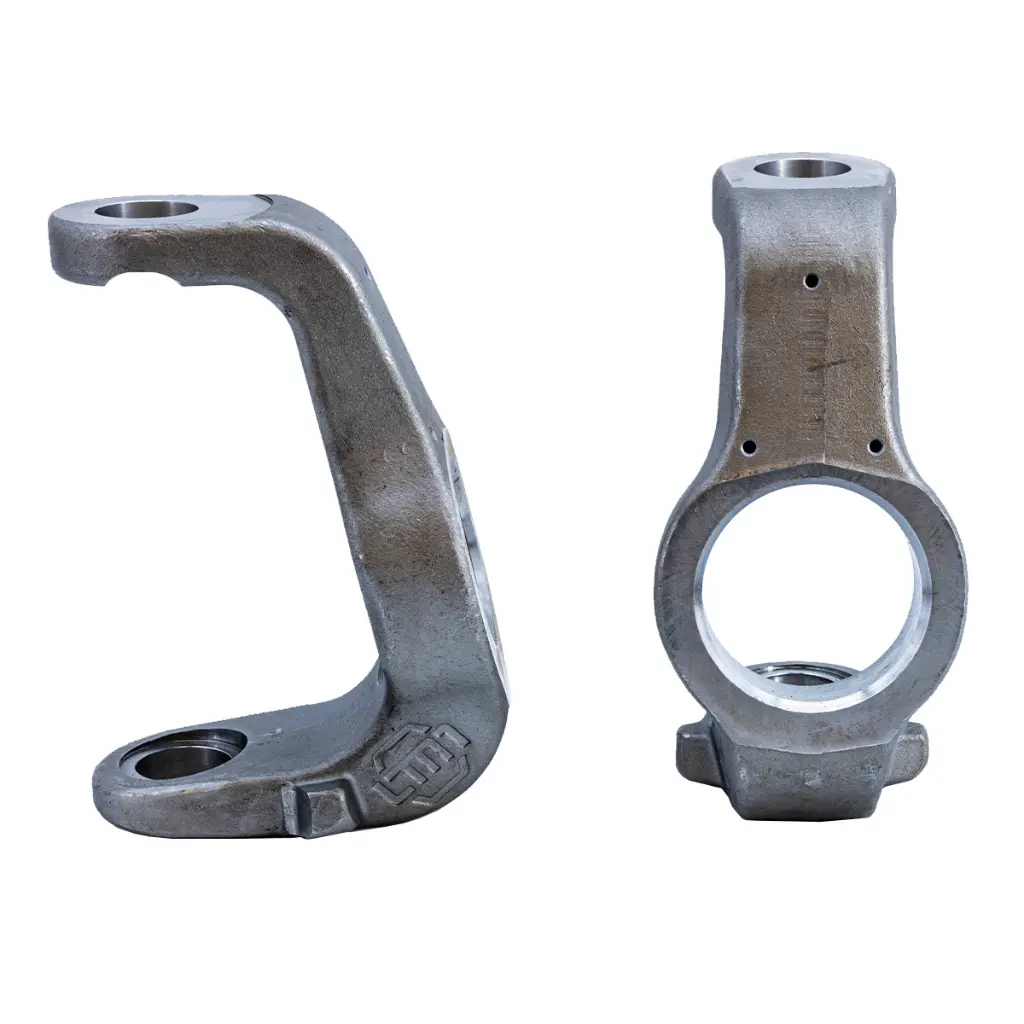
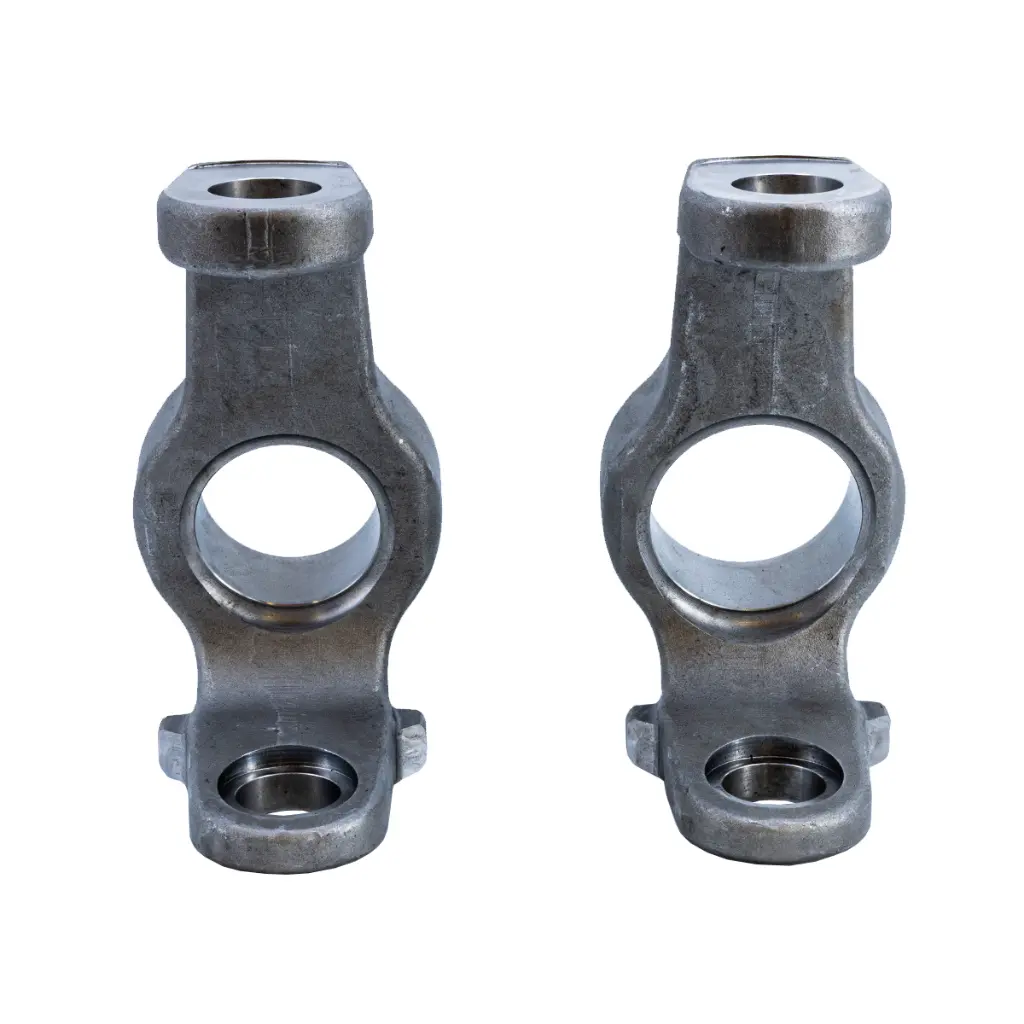
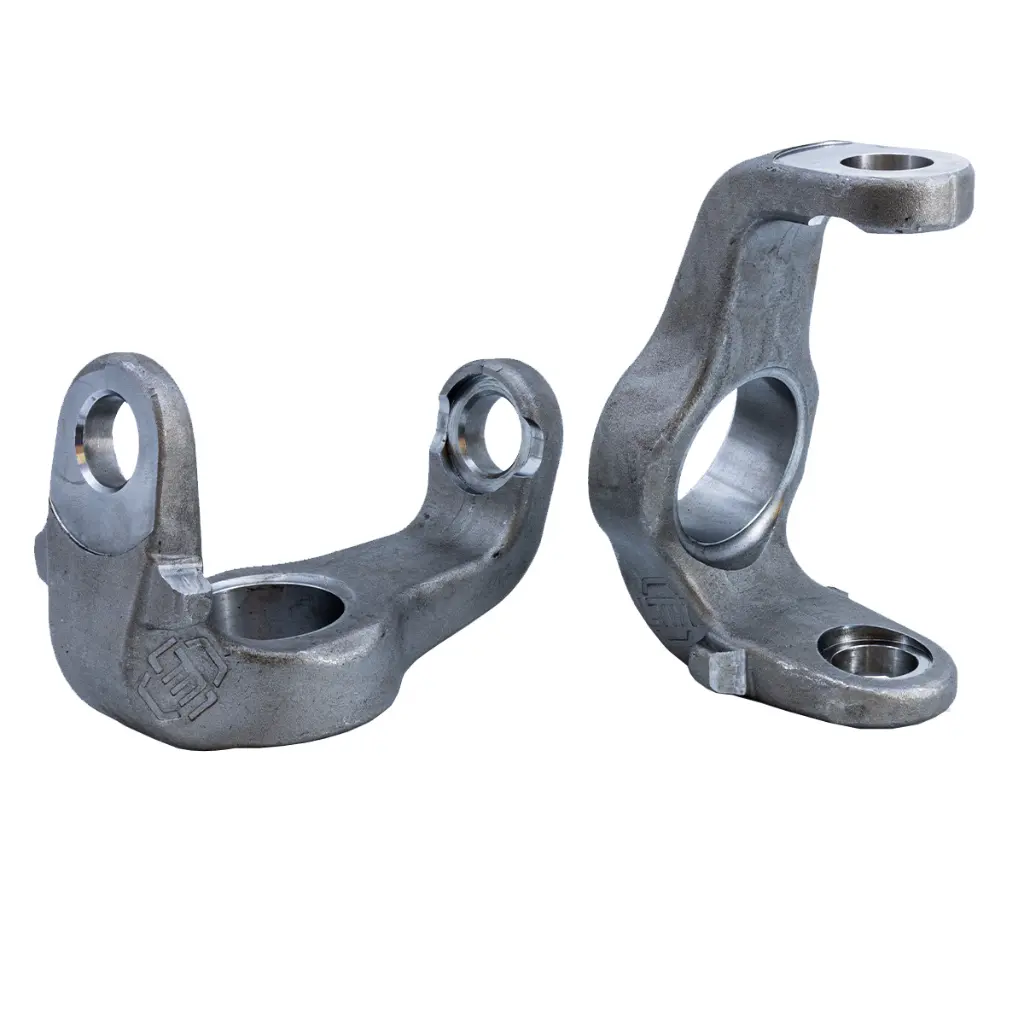
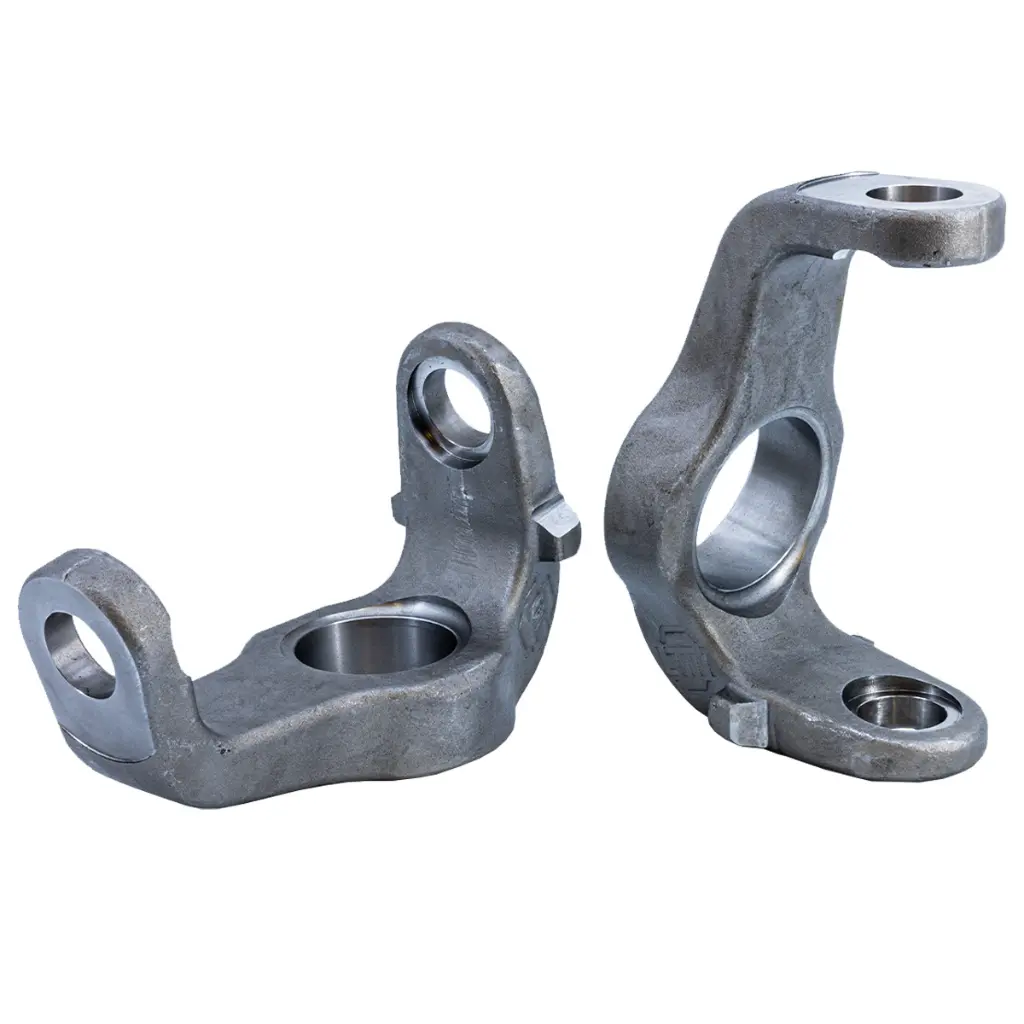
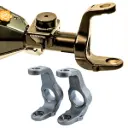
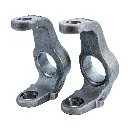
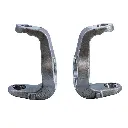
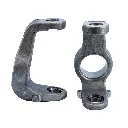
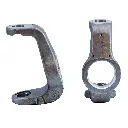
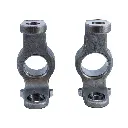
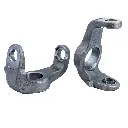
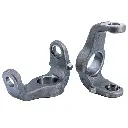
LM1 JEEP JL/JT FORGED INNER Cs
This product will be available on or near 12/1/2026
- Designed for Jeep Wrangler JL and Gladiator JT axle builds
- Forged 1045 carbon steel
- Precision-machined ball-joint and axle-tube interfaces
- Approximately 18 lb finished weight depending on tube bore
- Designed for larger tires and demanding off-road axle applications
- 47% lower peak stress than the OEM geometry in LM1's 5,000 lb comparative FEA
LM1 Jeep JL/JT Forged Inner Cs
Product Overview
The factory inner C is one of the most highly loaded structural components in the front axle assembly. Larger tires, increased vehicle weight, aggressive off-road use, and upgraded steering components can all increase the loads transferred through this area.
LM1 developed a substantially more robust replacement using forged 1045 carbon steel with significantly more material in critical load-bearing areas.
A factory JL/JT inner C weighs approximately 12.5 lb, while the LM1 Inner C weighs approximately 18 lb, depending on the final tube bore diameter.
The added material, combined with the LM1 geometry and forged construction, creates a heavy-duty foundation for serious axle builds.
Fitment
Designed for Jeep Wrangler JL and Jeep Gladiator JT front axle applications.
LM1 Forged Inner Cs retain the factory mounting locations and critical geometry, allowing them to accept stock Jeep JL/JT steering knuckles and related factory-style components.
This makes them suitable for heavy-duty axle builds while maintaining compatibility with the OEM knuckle interface and suspension geometry. By retaining the factory mounting points and geometry, LM1 Inner Cs also preserve compatibility with many of the aftermarket Jeep upgrades designed to fit stock JL/JT Inner Cs.
Forged 1045 Carbon Steel
Each LM1 Inner C begins as a 1045 carbon steel forging rather than a conventional cast component.
The forging process forms the material under high pressure, producing a dense component well suited for repeated bending, impact, and steering loads.
After forging, each Inner C is precision post-machined to establish the critical geometry required for proper assembly.
Precision Machined
Critical features are machined after forging to maintain accurate fitment and axle geometry.
Machined areas include the interfaces required for:
- Ball joint installation
- Steering knuckle fitment
- Axle tube installation
This combination of forging and post-machining allows LM1 to combine heavy-duty construction with controlled critical dimensions.
Engineered for Strength
LM1 didn't simply make the factory component heavier. The geometry was evaluated using comparative finite element analysis through multiple design iterations, refining where material should be added to increase strength and improve load distribution without simply adding unnecessary weight.
Each iteration was used to identify high-stress areas, adjust section thickness and geometry, and place material where it provided the greatest structural benefit. The result is a design focused on increasing strength efficiently, rather than relying on mass alone.
The OEM and LM1 Inner C designs were analyzed under the same 5,000 lb simulated load condition.
Comparative FEA Results
| OEM Inner C | LM1 Inner C | |
| Peak von Mises stress | Approx. 499 MPa | Approx. 264 MPa |
| Peak stress reduction | — | Approx. 47% |
| Referenced yield strength | 530 MPa | 530 MPa |
| Simulated factor of safety to yield | Approx. 1.06 | Approx. 2.01 |
Under the analyzed 5,000 lb load case, the LM1 design reduced peak von Mises stress from approximately 499 MPa to 264 MPa.
That's approximately a 47% reduction in peak stress compared with the OEM geometry under the same simulated loading conditions.
The analysis also shows how the LM1 design distributes load through the component, rather than concentrating stress in the same areas seen in the factory geometry.
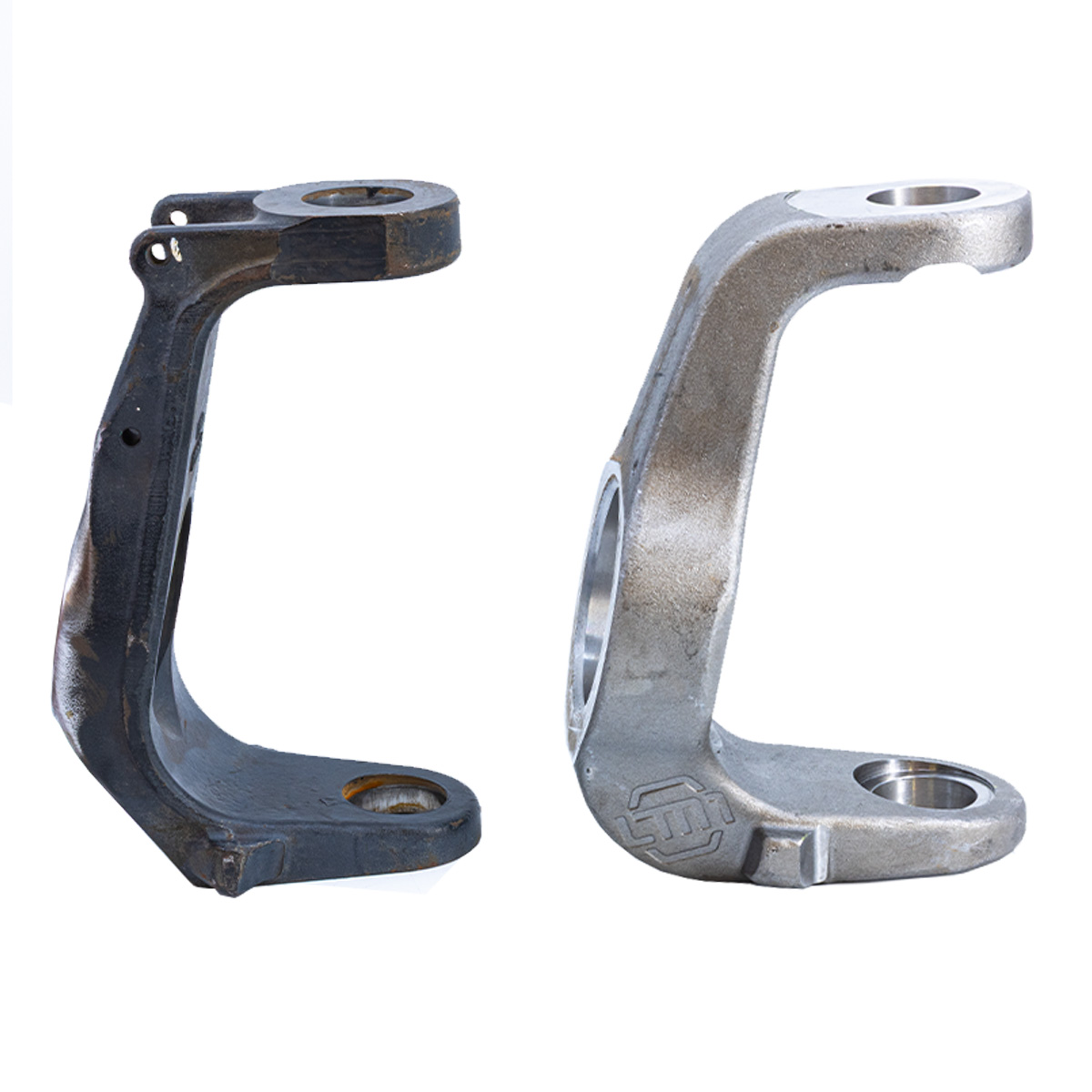
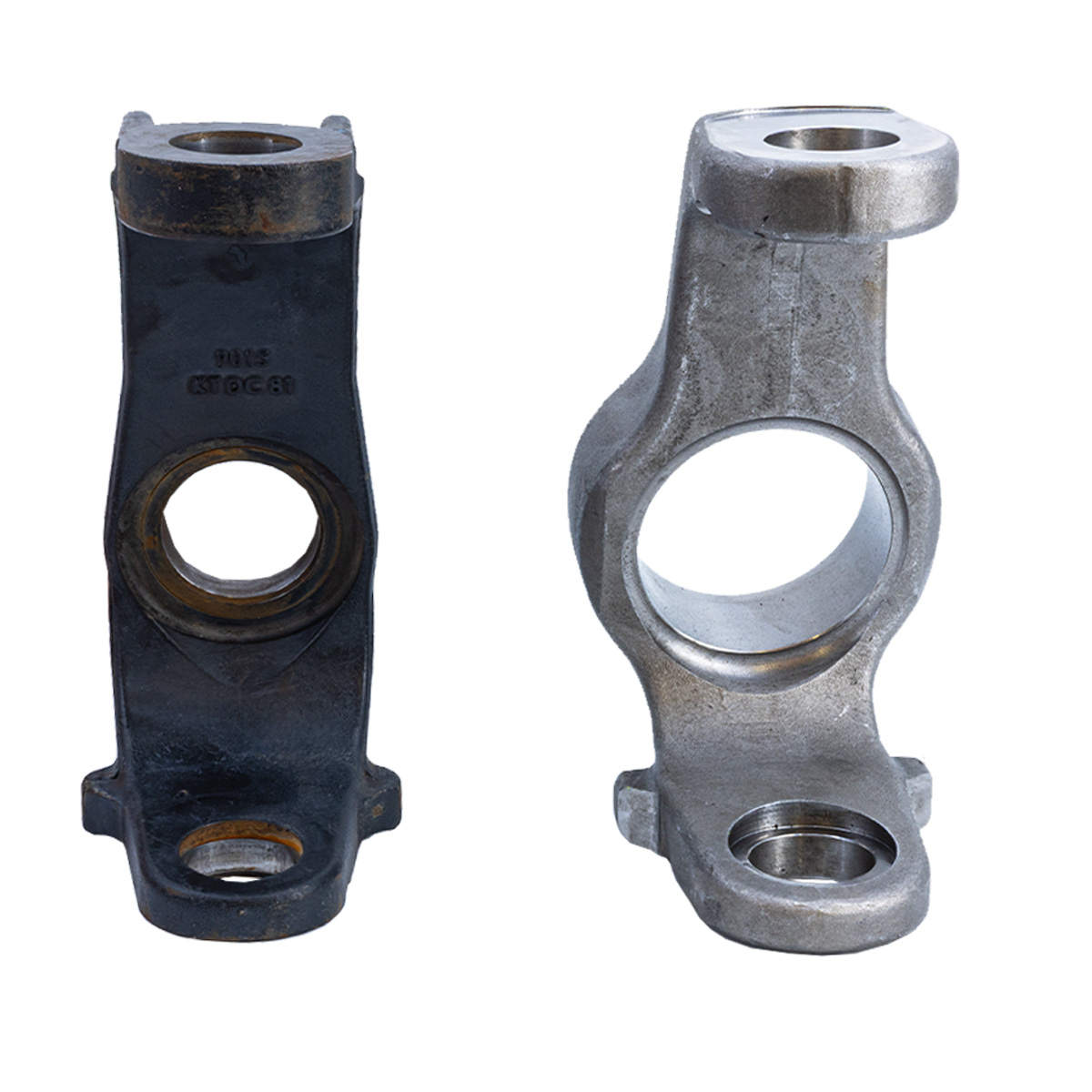
Image shows a side by side compartision of the Jeep JL/JT OEM C (left) vs the LM1 C (right)
Designed, Analyzed, and Built for Demanding Axles
The combination of:
Forged 1045 steel + increased section thickness + optimized geometry + precision machining
creates an Inner C designed for axle assemblies where strength, reliability, and proper geometry matter.
LM1 — Engineered Confidence.
Finite element analysis results are simulation-based and represent the specific loading, material properties, constraints, and boundary conditions used in the analysis. FEA is used as an engineering design and comparison tool and does not represent a certified component load rating.